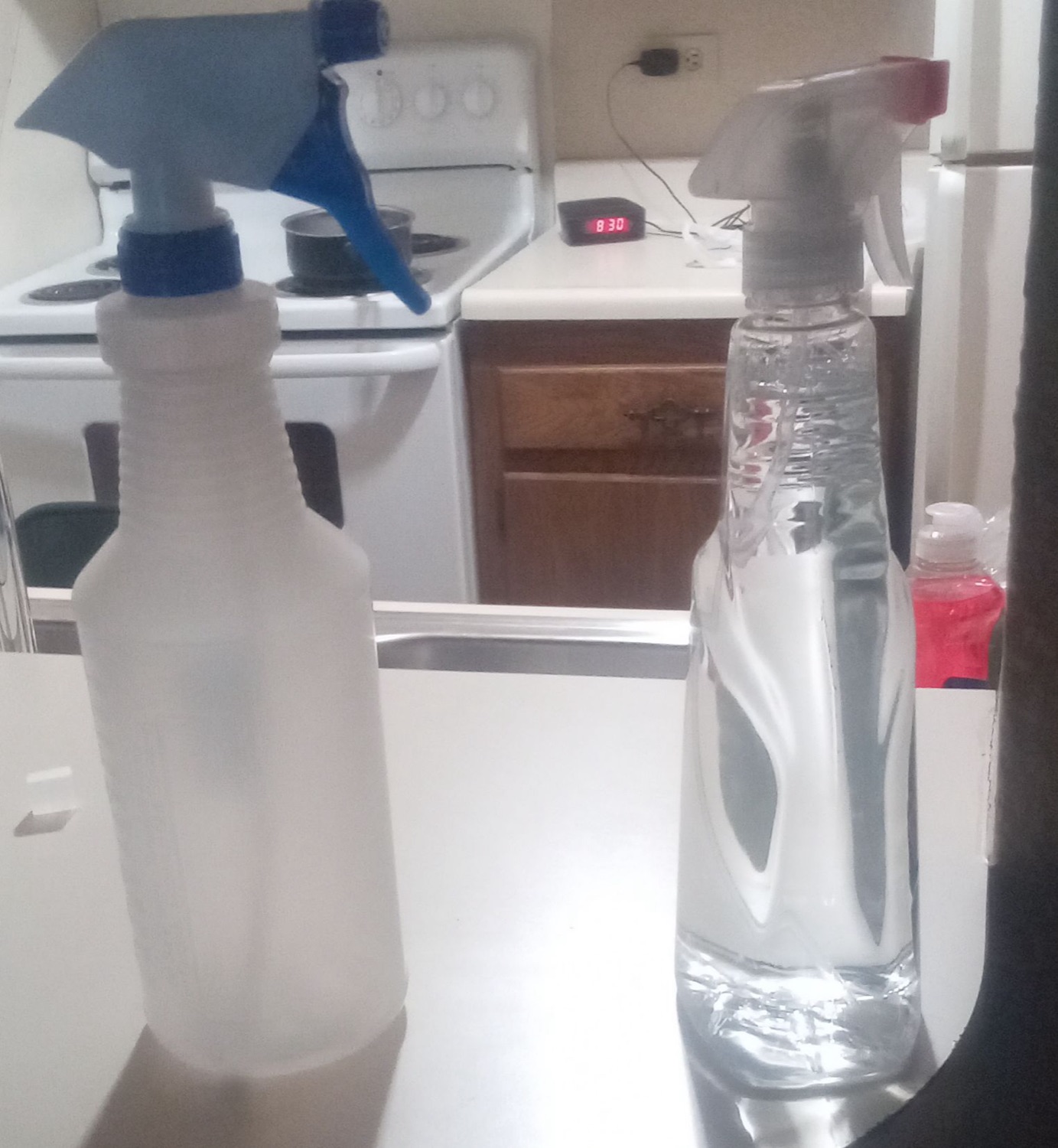
The idea behind on-demand car washing is simple: instead of driving to a wash bay, the wash comes to the car. What makes that possible in a parking garage, an office lot or an apartment complex is not a big tank of water but a spray bottle. Waterless washing is the method most mobile washers rely on, and it is worth understanding before you hand your paint to anyone, including yourself.
What is actually in the bottle
A waterless wash product is a blend of surfactants (the cleaning part), lubricants (often polymers) and usually a little wax or sealant. Sprayed onto a panel, it does three jobs. It loosens the film of dust and road grime, it surrounds the loose particles so they are less likely to drag across the clear coat, and it leaves a slick surface so a towel can glide instead of grip. The dirt then goes into the towel rather than down a storm drain.
Rinseless products are close cousins. They are mixed into a bucket with one or two gallons of water and applied with a wash mitt or a soaked towel, then dried without a rinse. Many professionals use rinseless for dirtier cars and waterless for light dust.
The technique matters more than the product
- Work in the shade on a cool panel. Product that dries on hot paint leaves streaks.
- Use plenty of towels. A typical sedan can easily use eight to twelve plush microfiber towels. Fold each one in four so you have eight clean faces.
- Spray generously, one small section at a time. Half a door is about right.
- Wipe in one direction, lightly. Lift the dirt off with the first towel, then turn to a clean face. Never scrub in circles.
- Buff with a second, dry towel. That removes residue and brings out the gloss.
- Do the lowest, dirtiest areas last with towels that will not go back on the upper panels.
When waterless is the wrong choice
Waterless washing is designed for light to moderate dirt: dust, pollen, fingerprints, the film a car collects during a normal week. It is not designed for caked mud, heavy road salt or the sandy grit you collect on a beach trip. Dragging a towel across that kind of contamination, however slick the spray, is how swirl marks happen. In those cases a pressure rinse or a proper bucket wash comes first. Our guide to the two-bucket hand wash covers that end of the job.
Wheels are another exception. Brake dust is sticky and abrasive, and most pros use a dedicated wheel cleaner and separate brushes rather than the same spray and towels used on the paint.
Why it caught on
Waterless products have been around for decades, but they became mainstream in places like Southern California during the long drought of the 2010s, when local rules restricted hose use and people still wanted clean cars. A mobile washer with a bag of towels and a few bottles could work in a building garage, a school pick-up lot or outside an office, with no runoff and no hose. The same convenience appeals to anyone who parks in a shared garage, or who wants the car presentable before a weekend away, say a drive to Las Vegas where the valet line will see it in full daylight.
Quick checklist
- Light dust or pollen: waterless is ideal.
- Rain spots and road film: waterless or rinseless.
- Mud, salt, sand, heavy bug splatter: rinse first.
- Always: clean towels, light pressure, shade.
Done well, a waterless wash leaves the paint glossy and slick with only a few ounces of liquid used. Done in a hurry with two tired towels, it can do more harm than an automatic tunnel. The difference is almost entirely in the hands holding the towel.


