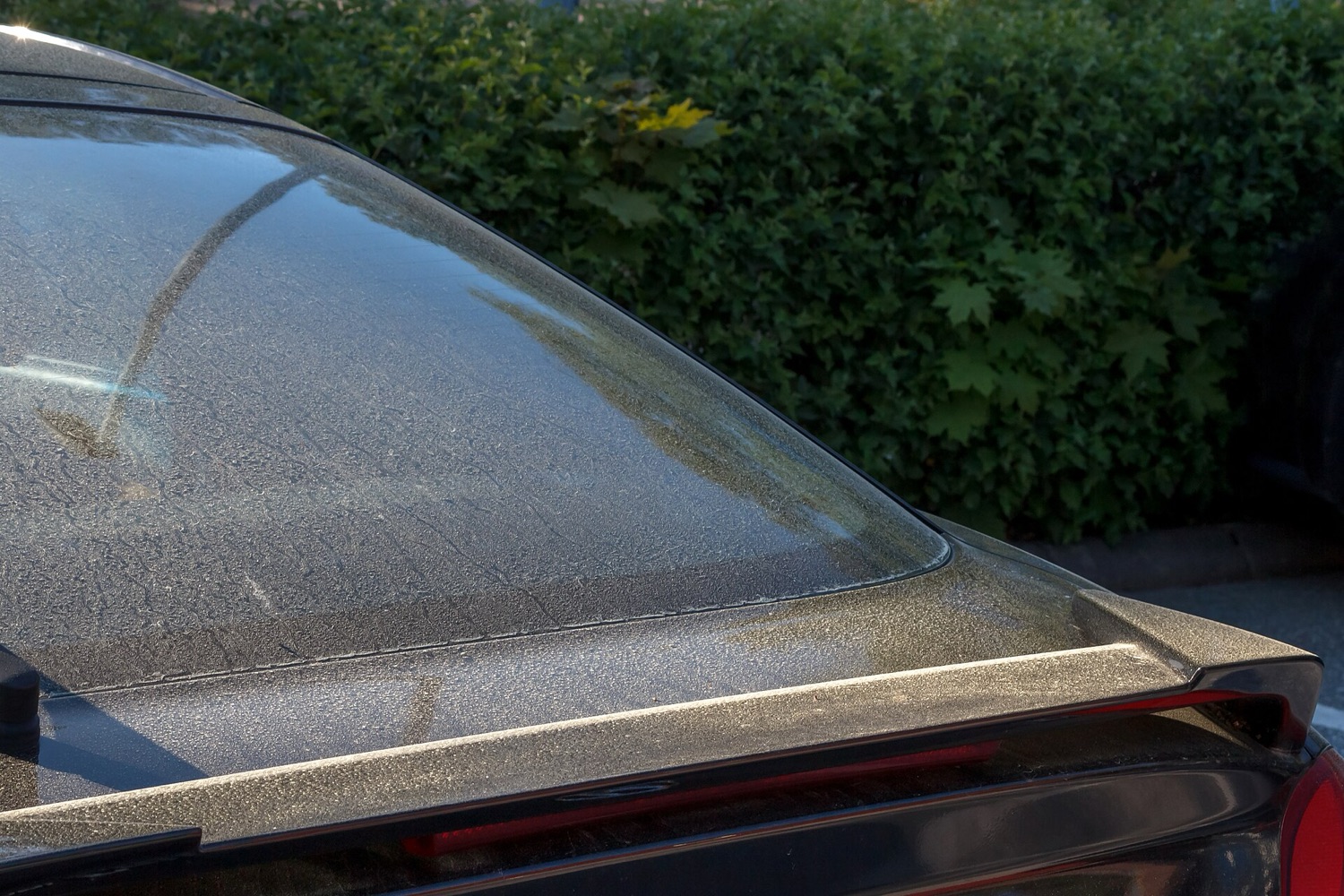
Ask ten detailers how often to wash a car and most will say "about every two weeks". It is a reasonable starting point, but the real answer depends less on the calendar and more on where you live, where you park and what has landed on the paint.
A practical rule of thumb
| Situation | Suggested wash rhythm |
|---|---|
| Garage-kept, light commuting | Every 2 to 4 weeks |
| Parked outside, city or suburb | Every 1 to 2 weeks |
| Under trees, near the coast, or in heavy pollen season | Weekly |
| Winter roads with salt | Weekly, plus an underbody rinse after storms |
| Bird droppings, tree sap, bug splatter | Spot-clean the same day if you can |
The things that cannot wait
Some contaminants damage paint quickly. Bird droppings are acidic and, baked in the sun, can etch the clear coat within days. Tree sap hardens and bonds to the surface. Bug remains contain enzymes and acids that do the same, which is why anyone driving long desert highways in summer comes home with a bumper that needs attention. Our Las Vegas road trip checklist has a section on exactly that.
For these, a full wash is not necessary. Keep a small bottle of quick detailer and two microfiber towels in the trunk, soften the spot for a minute, and lift it off gently.
Pollen, rain and the myth of the free wash
A spring shower does not clean a car. Rain picks up dust and pollution on the way down and leaves it behind when the water evaporates, which is why a car often looks worse after light rain than before. Pollen is similar: dry, it is mostly a nuisance; wet, it turns into a sticky film that is mildly acidic.
Climate makes a difference
- Hot, sunny regions: UV and heat bake contaminants in faster. Frequent light waterless washes help, and a good layer of protection matters more.
- Coastal areas: salty air settles on the paint and speeds up corrosion, especially on bare metal chips.
- Snow belt: road salt is the big enemy. Wash the underbody and wheel arches, not just what you can see.
Can you wash too often?
Not if the method is gentle. Paint is damaged by bad technique, not by frequency: dirty mitts, automatic brushes in poor condition, a single tired towel. A light weekly waterless wash with clean microfiber is kinder than a monthly scrub of a filthy car. What does wear down with every wash is the protective layer, so expect to top up wax or sealant more often if you wash weekly.
The interior counts too
Inside, every month or so is enough for most drivers: vacuum the floors and seats, wipe the touch surfaces and clean the inside of the glass. Families with kids and pets, rideshare drivers and anyone who eats in the car will want to do it more often.
A clean car is not only about looks. Clear glass and lights are a safety issue, and a car that has been washed regularly tends to hold its value better when it is time to sell.


