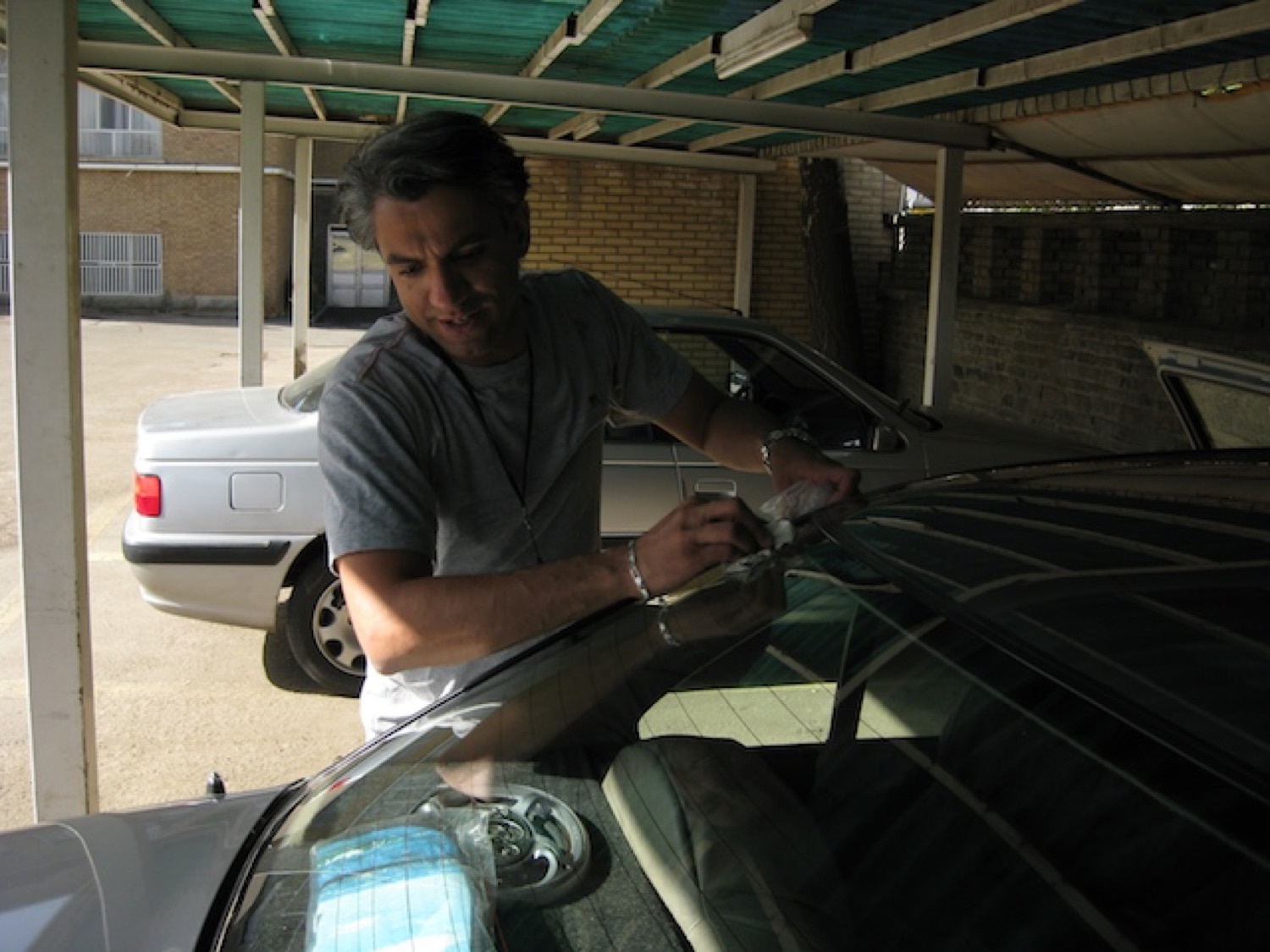
Waterless sprays are perfect for a dusty car, but sooner or later every car gets properly dirty. Rain-splashed road grime, a gravel road, a week parked under trees. For that, the safest method most detailers agree on is still the oldest: a hand wash with two buckets.
Why two buckets
Every time you wipe a panel, the mitt picks up grit. Dip it straight back into your soap bucket and that grit goes with it, then back onto the paint on the next pass. The second bucket holds plain water for rinsing the mitt before it returns to the soap. Many people add a grit guard, a plastic grid that sits at the bottom of the bucket so the dirt settles below where the mitt goes.
What you need
- Two buckets, ideally marked "wash" and "rinse".
- A pH-balanced car shampoo. Dish soap strips wax and dries out rubber seals.
- A microfiber or lambswool wash mitt, plus a second mitt for the lower panels.
- A hose with a shut-off nozzle, or a pressure washer on a gentle setting.
- Large, soft drying towels.
- Separate brushes and a bucket for the wheels.
Step by step
- Wheels first. They are the dirtiest part of the car, and cleaning them last risks splashing brake dust onto clean paint.
- Rinse the whole car from the top down to knock off loose dirt.
- Wash from the top down, one panel at a time: roof, glass, hood and trunk, upper sides, then the lower sides with your second mitt.
- Straight lines, light pressure. If you do leave fine marks, straight ones are much less visible than circles.
- Rinse the mitt after every panel in the rinse bucket, wring it out, then reload with soap.
- Rinse the car again, letting the water sheet off rather than spraying hard.
- Dry promptly by laying a towel flat and pulling it across the panel, or blot. Do not let water evaporate in the sun.
Where and when
Shade and a cool surface make everything easier. Early morning or evening works well in summer. Check your local rules too: many cities and homeowners' associations limit hose washing or require that soapy water stay out of the street, and some ban it entirely during droughts. Washing on a lawn or gravel lets the ground filter some of the water, and a commercial wash bay sends its water to a treatment system. Our explainer on where car wash water goes covers the rules in more detail.
How long it should take
For a mid-size car, a careful two-bucket wash and dry takes roughly an hour, a little more with the wheels. That is about the same as the classic interior-and-exterior package mobile washers used to sell, which is a useful benchmark when you are deciding whether to do it yourself or pay someone.
Common mistakes
- Using one bucket, or the same mitt for wheels and paint.
- Washing in full sun, which leaves spots that can etch into the clear coat.
- Drying with an old bath towel or a squeegee blade on the paint.
- Dropping the mitt on the ground and carrying on. If it touches the floor, swap it.
Once you have the rhythm, the two-bucket wash becomes a calm, almost meditative job. Plenty of car owners treat it the way others treat a round of golf: an hour outdoors with a result you can see.


