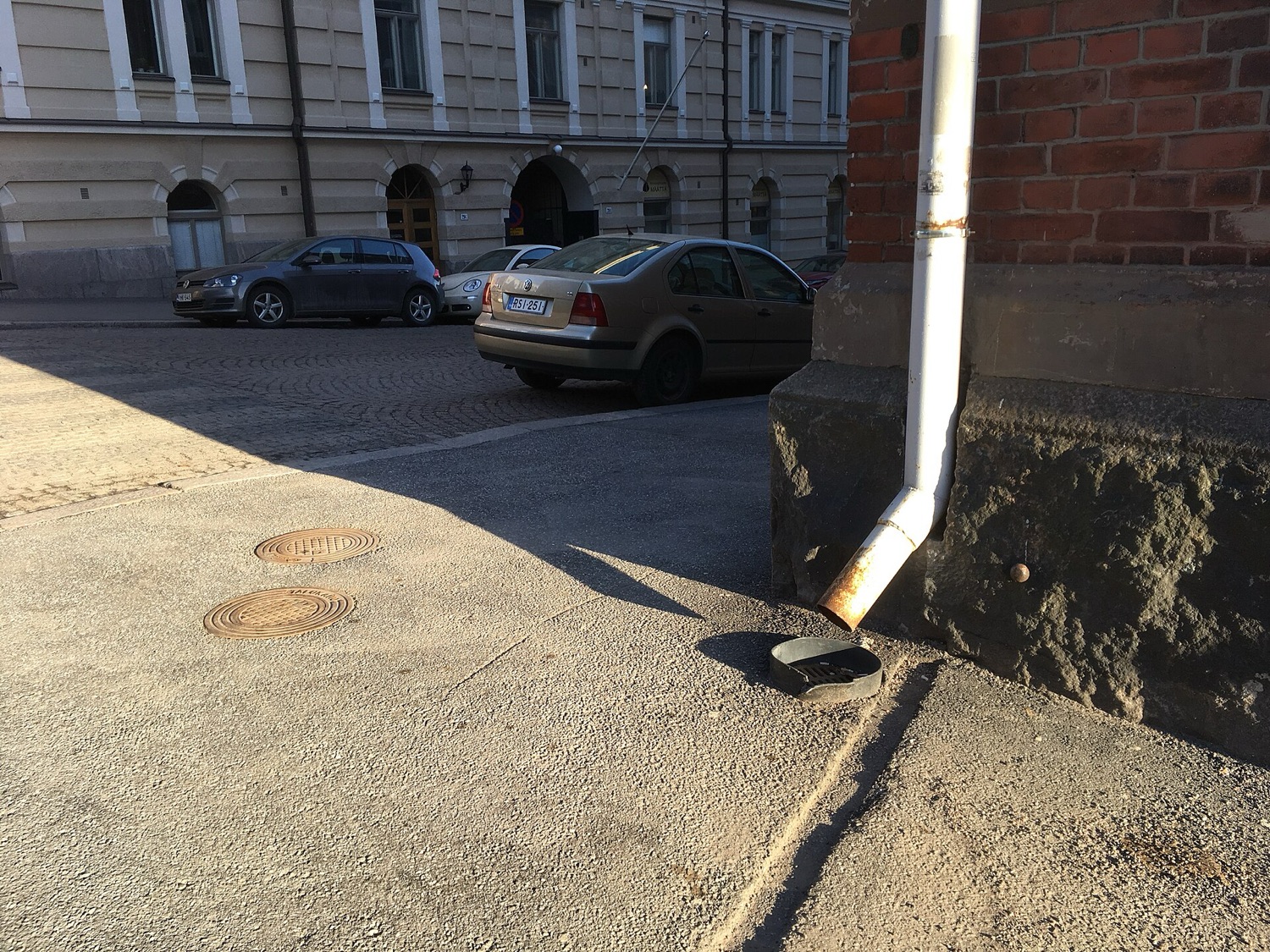
Most people assume that whatever goes down a street drain ends up at a treatment plant. In most American cities it does not. The sanitary sewer, which carries water from sinks and toilets, and the storm sewer, which carries rain from streets, are usually separate systems. Storm drains typically discharge straight into the nearest creek, river, lake or ocean with little or no treatment.
What is in car wash runoff
Washing a car on a driveway sends more than soap into the gutter. The runoff can carry:
- Detergents, including phosphates in some cheaper products, which feed algae blooms.
- Oil and grease from the engine bay and underbody.
- Metals from brake dust and tire wear, such as copper and zinc.
- Road grime, sediment and whatever the car picked up on the way.
One car does not make a river sick. Thousands of cars every weekend, across a city, add up, which is why many local governments regulate it. Some coastal cities have campaigns built around the simple message that only rain should go down the storm drain.
What the rules usually say
Rules differ by city and change over time, but common patterns include:
- Commercial car washes must discharge to the sanitary sewer or treat and recycle their water.
- Mobile washers may be required to capture their wash water, often with a containment mat and a pump, unless they use methods that produce no runoff.
- Charity car washes may need a permit or a drain-blocking kit.
- Residents are encouraged, and sometimes required, to wash on permeable surfaces or use a commercial wash.
Check your own city's environmental or water department pages before running a fundraiser or starting a washing side business.
How to wash without polluting
- Use a commercial wash for heavy dirt, especially engine and underbody cleaning.
- Go waterless or rinseless at home: no runoff, the dirt stays in the towels.
- Wash on grass or gravel if you do use a hose, so the ground filters the water.
- Choose biodegradable, phosphate-free products.
- Empty buckets into a sink or toilet, not the street.
- Never wash the engine bay on a driveway.
The waterless argument
This is the less obvious advantage of waterless washing, and the one the early on-demand car wash companies liked to point out: done properly, there is nothing to run off. The few ounces of product end up in microfiber towels, the towels go in a washing machine, and the washing machine drains to the sanitary sewer where the water is treated. For a city dweller, it is about the cleanest way to clean a car. Our guide to waterless washing explains how to do it without marking the paint.


