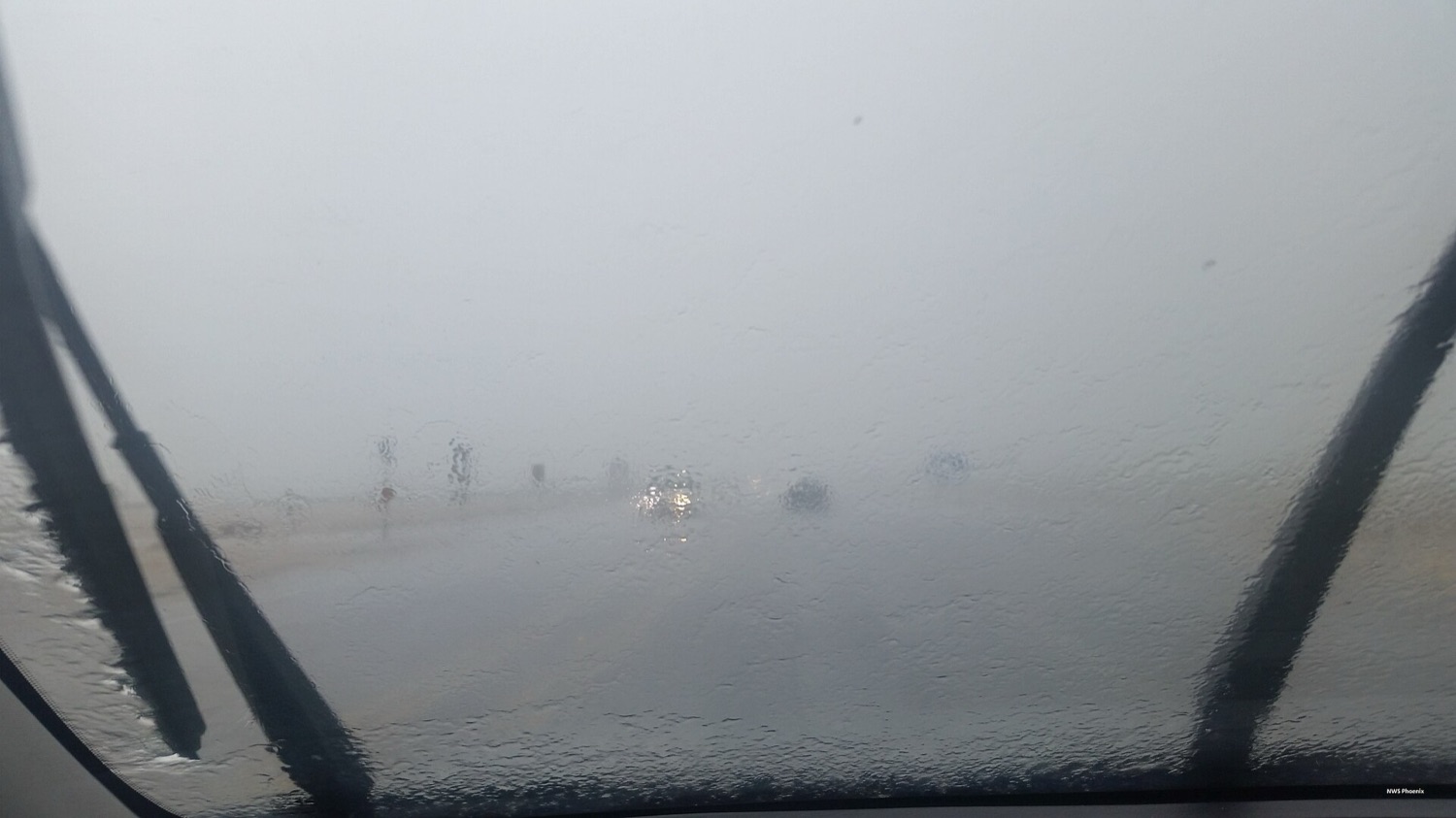
Glass is the part of car cleaning that matters most for safety and gets done worst. A windshield can look clean in the shade and then turn into a sheet of glare when the sun is low or headlights hit it at night. That haze is usually on the inside.
Why the inside gets dirty
Interior plastics and vinyl release vapours as they warm up, especially in a new car. These condense on the cooler glass as a greasy film. Add fingerprints, breath, smoke and the residue of shiny dashboard sprays and you get the smeary haze that so many drivers live with. (This is one more reason detailers avoid glossy silicone dressings on the dash; we explain why in our guide to matte dashboard care.)
Choose the right cleaner
- Ammonia-free glass cleaner is the safe default. Ammonia can damage aftermarket window tint film and dry out rubber and plastics.
- Plain distilled water works surprisingly well on light haze.
- Isopropyl alcohol diluted with water cuts oily film on the outside of the windshield.
The two-towel method
- Use two clean, low-pile microfiber towels, ideally a waffle-weave or dedicated glass towel.
- Spray the cleaner onto the first towel, not the glass, to keep overspray off the dash.
- Wipe in one direction, say horizontal on the inside.
- Immediately buff with the dry second towel in the other direction, vertical. If streaks appear, you will know which side they are on.
- For the bottom of the windshield, sit in the passenger seat and use the back of your hand to press the towel into the corner.
The outside
Outside glass picks up road film, tree sap, bug remains and wiper residue. Clean it after the wash, when the loose dirt is gone. For stubborn film or water spots, a clay bar used with lubricant will make the glass feel smooth again. A water-repellent glass treatment then helps rain bead off at speed, though it does not replace good wiper blades.
Don't forget
- Wiper blades: wipe the rubber with a damp towel. Replace them if they chatter or leave stripes, typically every six to twelve months.
- Mirrors and camera lenses, which are tiny but matter a lot when reversing.
- The top edge of side windows: roll them down a few inches and clean the strip that hides in the seal.
- Headlight lenses: hazy, yellowed plastic can be restored with a polish kit and should then be protected with a UV sealant.
Clean glass is one of those jobs nobody notices until they drive into a low sun, or pull out of a brightly lit hotel garage into the night. Then it is the only thing that matters.


