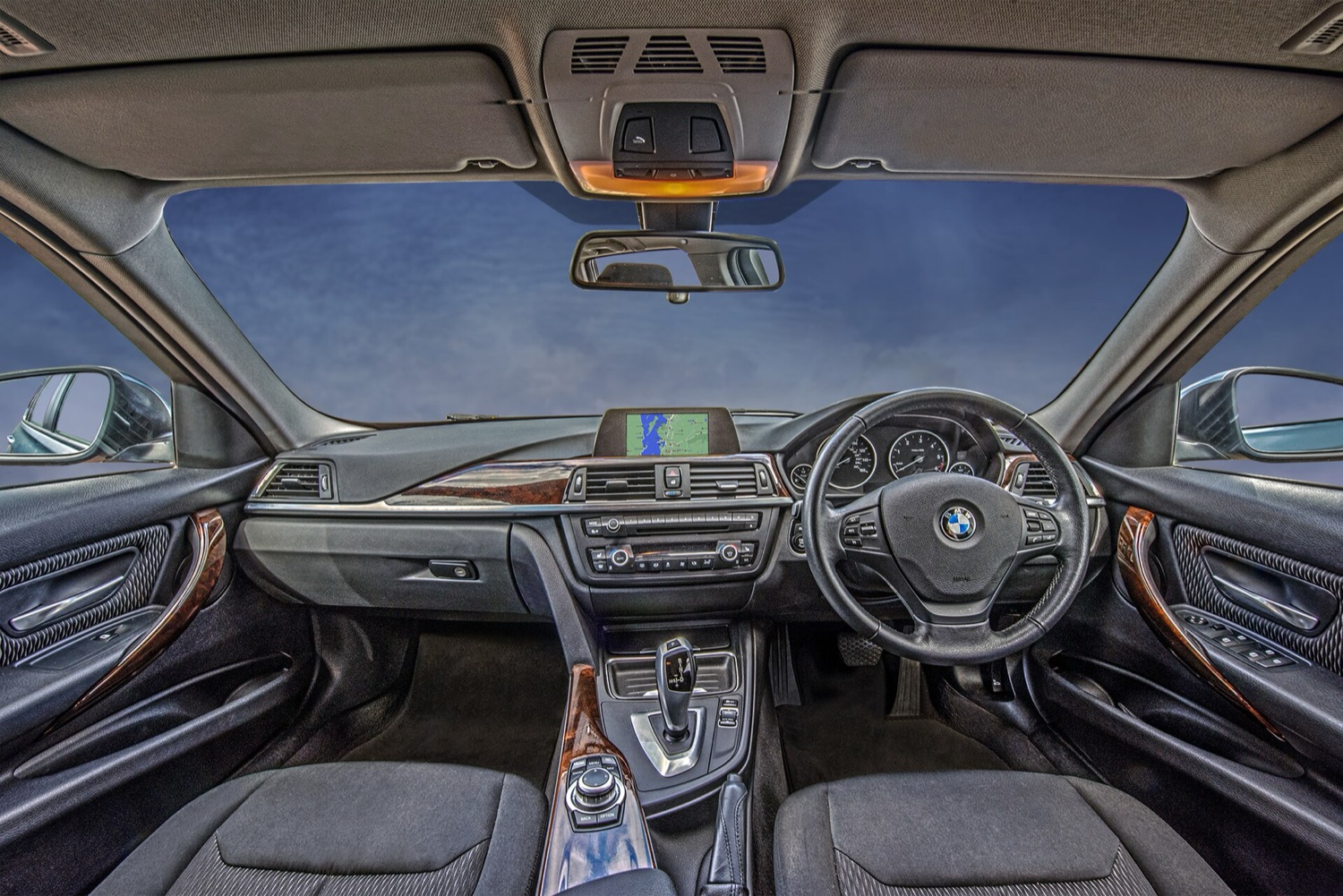
For years the classic finishing touch at a car wash was a quick spray of glossy dressing across the dashboard. The interior looked wet and shiny, smelled strongly of something vaguely fruity, and within a week was covered in dust. Professional detailers have mostly moved away from that look, and for good reasons.
The problem with high-gloss dressings
- Glare. Car makers design dashboards with matte textures so they do not reflect in the windshield. A glossy coating undoes that, and on a sunny day the reflection can be genuinely distracting.
- Dust magnet. Oily, silicone-heavy dressings stay slightly tacky and attract dust and lint.
- Haze on the glass. Residue from these products contributes to the greasy film on the inside of the windshield.
- Slippery surfaces. On steering wheels, pedals and gear selectors, shine is a safety issue.
The better mobile washes of the 2010s already advertised the alternative: no silicone or filler-based dressings, just a quality interior detail spray that cleans, conditions and is safe for all interior surfaces. That advice still holds.
A better routine
- Dust first with a soft brush and a dry microfiber, working the brush into vents and around buttons.
- Clean with a dedicated interior cleaner or a mild, diluted all-purpose cleaner, sprayed onto the towel rather than the dash.
- Protect with a water-based interior protectant labelled matte or OEM finish, with UV protection.
- Buff dry with a clean towel so nothing is left on the surface.
Screens and soft-touch surfaces
Infotainment screens often have anti-glare and anti-fingerprint coatings that harsh cleaners can damage. Use a clean, dry microfiber or a screen cleaner that is safe for coated displays, and never spray liquid directly onto the screen. Soft-touch plastics and piano-black trim scratch easily, so use a plush towel and light pressure. Piano black in particular shows every swirl.
Sun is the real enemy
A dashboard sits under a sheet of glass in direct sun, and over years UV and heat can fade, dry and even crack it. Regular UV protectant helps, but the best protection is shade: a reflective windshield sunshade or a covered parking space. That is especially true in desert climates, where cars parked outdoors through the summer can reach extreme cabin temperatures. Our guide to parking garages looks at the trade-offs between a covered space and an open lot.
The look to aim for
A well-detailed interior should look like the car did when it left the factory: clean, even, satin or matte, with no visible product. If someone climbs in and says the dash looks shiny, that is a sign of too much product rather than too much care.


