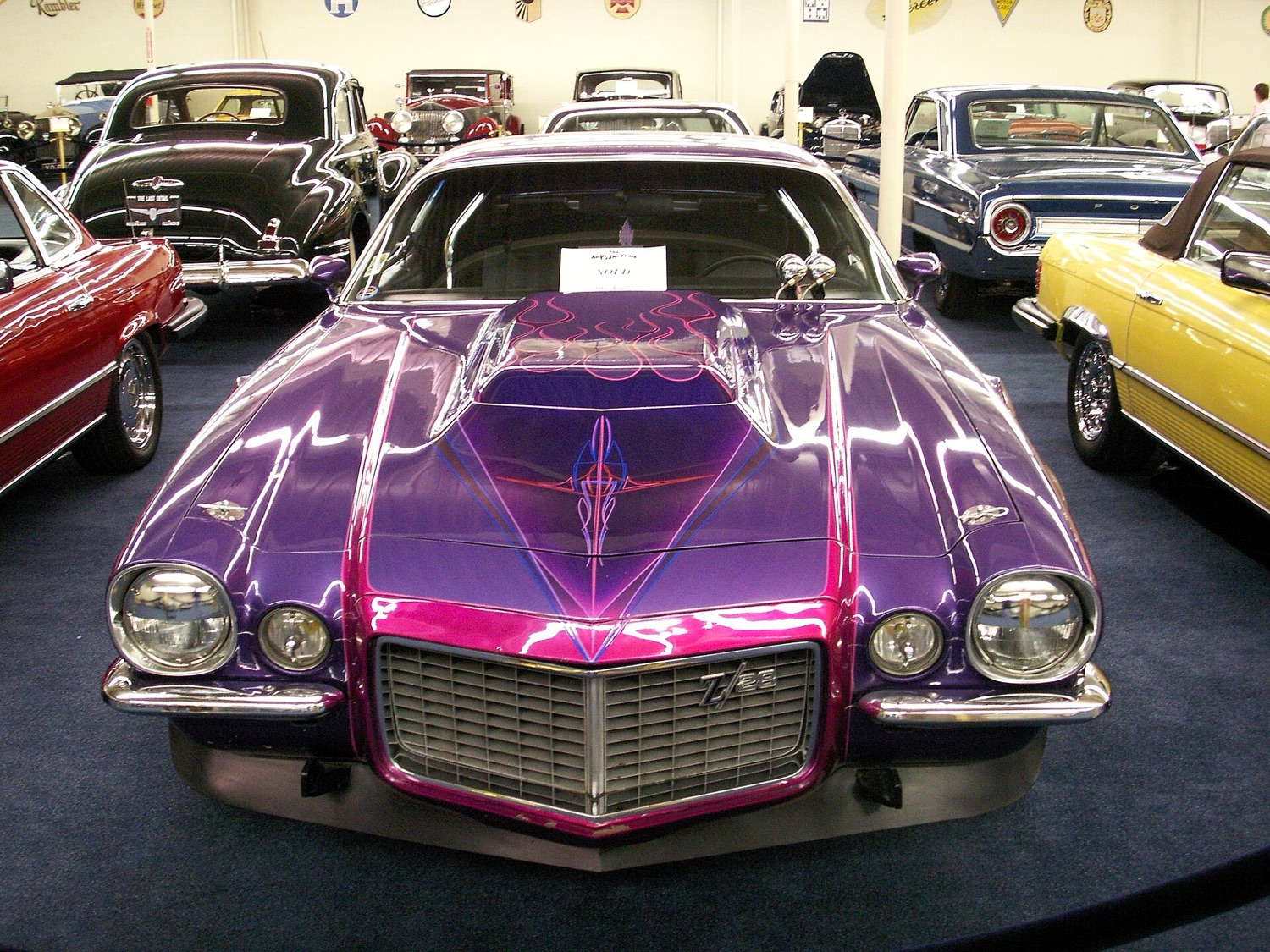
Cars have always been the classic grand prize. A shiny convertible revolving on a stand in a casino lobby, a pickup parked in a mall atrium with a raffle drum next to it, a lottery scratch card with a car on the front. Casinos run slot-club drawings and anniversary giveaways with vehicles as the headline prize, charities raffle sports cars to raise money, and some lotteries around the world offer cars alongside cash. Every year a small number of people actually win one. If that is you, congratulations. Here is what comes next.
1. Taxes come before the keys
In the United States a prize car is generally treated as taxable income at its fair market value, the same as a cash prize. Depending on the value and the type of contest, the organiser may need to withhold tax or ask you to pay it before handing over the car, and you will usually receive a tax form for the prize. You will also owe sales tax, registration and title fees in many states. Some winners choose a cash alternative if one is offered, precisely because the tax bill on a car can be large. Talk to a tax professional before you accept. Rules in other countries are different.
2. Read the prize terms
Check exactly what is included: the trim level, options, delivery to your location or collection from a dealer, the first registration and insurance. Some prizes include a set amount for taxes; most do not.
3. Inspect it like a purchase
Prize cars may have spent months on display under bright lights, been sat in by thousands of people and been moved repeatedly. When you take delivery, walk around it in daylight. Look for scratches and swirls, scuffs on the door sills and seat bolsters, chips on the front and fingerprints in odd places. Check the tires and the mileage. Note anything you see in writing before you sign for it.
4. The first detail
Even a brand-new car benefits from a proper first detail, and a display car even more so:
- A careful two-bucket wash and dry.
- Clay to remove fallout picked up in transport and on display.
- A light polish if the paint has display-related marks.
- Protection: sealant, or a ceramic coating if you plan to keep the car for years. Our comparison of wax, sealant and ceramic coatings explains the options.
- Interior clean, especially seats, steering wheel and door handles that have been touched by a crowd.
5. Decide whether to keep it
A prize car is not always the right car. A two-seat convertible may not suit a family, and insurance on a sports car can be steep. Plenty of winners sell, and use the money for something they need more. If you do sell, a well-presented car with its delivery paperwork and a clean bill of health sells faster and for more.
About that showroom
The car in our photo sat in a different kind of casino display: The Auto Collections, a showroom of classic and collectible cars that operated for years inside the Imperial Palace hotel and casino on the Las Vegas Strip, where visitors could walk among the cars and some were offered for sale. It is a reminder that in Las Vegas cars and casinos have always shared the same floor.


